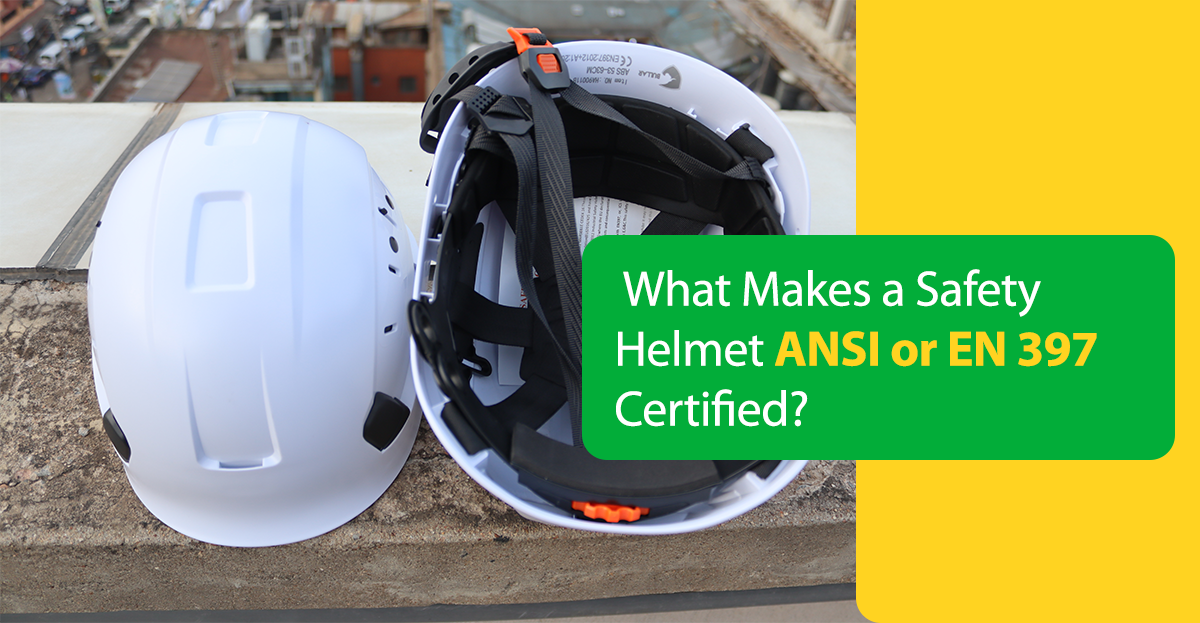
Not all hard hats are the same — and in Kenya, buying the wrong one can cost lives and violate DOSHS law. Here is exactly what ANSI Z89.1, EN 397, and KEBS certification mean, what tests a helmet must pass, and how to choose the right certified helmet for your worksite.
Table of Contents
ToggleWhy Safety Helmet Certification Matters in Kenya
Every year, preventable head injuries kill and disable workers on Kenya’s construction sites, manufacturing floors, and industrial facilities. The majority involve workers wearing helmets — but helmets that were never independently tested, never certified, and sold cheaply on the roadside.
A hard hat that looks identical to a certified one can transmit three times the force of impact to the skull. The difference between a KEBS-compliant, EN 397-certified helmet and an uncertified copy is not visible from the outside. It lives inside: in the materials, the suspension system, and the independent laboratory test results stamped on the interior label.
This guide explains in plain language what every Kenyan safety officer, procurement manager, and employer needs to know before purchasing any safety helmet.
What Is EN 397? The European Industrial Helmet Standard
EN 397 is the European standard published by the European Committee for Standardization (CEN) that specifies the minimum performance requirements for industrial safety helmets. It is the most widely used helmet certification standard globally, accepted in Kenya, across East Africa, and in over 30 countries.
A helmet labelled EN 397 has been independently tested by an accredited laboratory and passed every mandatory test listed below. It carries the CE mark — the European conformity mark — printed permanently on the interior label.
EN 397 Mandatory Tests — What Every Helmet Must Pass
To earn EN 397 certification, a helmet must pass all five of the following mandatory tests. Failure in any single test means the helmet cannot be sold as EN 397 compliant.
Shock Absorption Test
A 5 kg hemispherical striker falls at 4.43 m/s (49 joules) onto the crown. Maximum transmitted force to the headform must not exceed 5 kilonewtons.
Flame Resistance Test
The outer shell is exposed to a defined flame. After the flame is removed, the helmet must self-extinguish within 5 seconds. It must not drip flaming material.
Penetration Resistance Test
A 3 kg conical striker drops from 1 meter (29 joules). The pointed tip must not make contact with the headform inside — no penetration allowed.
Chin Strap Anchorage Test
The chin strap (if present) must release at a force between 150–250 N — strong enough to retain the helmet during normal work, but releasing under force to prevent strangulation.
EN 397 Optional Tests — Additional Protection Classes
Manufacturers may also claim optional protections for specific hazards. These are indicated by additional symbols stamped inside the helmet:
| Marking | Hazard Protected Against | Test Standard | Common Use in Kenya |
|---|---|---|---|
| -20°C / -30°C | Very low temperature performance | Impact + penetration at stated temp | Cold-room facilities |
| +150°C | Very high temperature performance | Impact + penetration at 150°C | Foundries, metalwork |
| 440 V | Electrical resistance (low voltage) | Leakage current ≤1.2 mA at 1,200 V AC | Electrical utility workers |
| LD | Lateral deformation resistance | Max 40 mm deformation under 430 N load | Confined spaces, tunnelling |
| MM | Molten metal splash | Resistance to 150 cm³ of molten aluminium | Steel works, foundries |
| OCP | Off-crown penetration (EN 397:2025) | 3 kg striker at 2.71 m/s on sides/front/rear | Construction, mining |
What Is ANSI Z89.1? The American Safety Helmet Standard
ANSI Z89.1 — American National Standard for Industrial Head Protection, published by the American National Standards Institute (ANSI) and the International Safety Equipment Association (ISEA) — is the primary standard for head protection in the United States. OSHA requires compliance with ANSI Z89.1 under 29 CFR 1910.135. It is accepted in Kenya as an equivalent international benchmark under DOSHS/KEBS rules.
ANSI Z89.1 Types: What They Protect
Unlike EN 397 (which until 2025 only tested crown impacts), ANSI has always offered a two-tier type classification:
| ANSI Type | Impact Coverage | Test Locations | Recommended For |
|---|---|---|---|
| Type I | Crown / top of head only | Vertical impact on crown | Low-risk environments, overhead hazards only |
| Type II | Crown + sides, front, and rear | Vertical + lateral impact tests (tilted headform) | Construction, mining, most industrial work — recommended |
ANSI Z89.1 Classes: Electrical Protection Levels
| ANSI Class | Name | Electrical Protection | Who Needs It |
|---|---|---|---|
| Class G | General | Up to 2,200 volts (AC) | Most construction, manufacturing workers |
| Class E | Electrical | Up to 20,000 volts (AC) | Electricians, utility workers, power line teams |
| Class C | Conductive | None—must not be used near electrical hazards | Where no electrical risk exists; provides ventilation |
EN 397 vs ANSI Z89.1 — Head-to-Head Comparison
| Criteria | EN 397 (European) | ANSI Z89.1 (American) |
|---|---|---|
| Origin | European Committee for Standardization (CEN) | ANSI / ISEA, USA |
| Mark | CE mark + EN 397 | ANSI Z89.1 label (no equivalent CE) |
| Impact Test Force | Max 5 kN transmitted | Max ~4.4 kN (1,000 lbf) |
| Impact Coverage | Crown only (Type 1); + sides (Type 2 — 2025+) | Crown only (Type I); + all sides (Type II) |
| Electrical Classes | 440V optional (marked on helmet) | Class G (2,200V), E (20,000V), C (none) |
| Flame Test | Mandatory — 5-second self-extinguish | Mandatory — no flaming drip |
| Chin Strap Test | Mandatory — release at 150–250 N | Optional |
| Molten Metal Splash | Optional (MM marking) | Not included |
| Accepted in Kenya | Yes — KEBS compliant | Yes — KEBS compliant |
| Most common in Kenya | ✓ Primary standard used | Less common, some imported brands |
For most workers in Kenya, EN 397 is the practical standard to check for — it is the benchmark used by the majority of reputable PPE manufacturers supplying the East African market, and it is what KEBS inspectors look for first.
How to Read a Safety Helmet’s Certification Label
Every genuinely certified safety helmet has a permanently moulded or printed label on the inside of the shell — not on the packaging, not on a sticker, but moulded into the plastic or printed in a way that cannot be removed. If you cannot find this label, or if it is a loose sticker, the helmet should not be trusted.
Example EN 397 Interior Label — What Each Line Means
Types of Certified Safety Helmets Available in Kenya
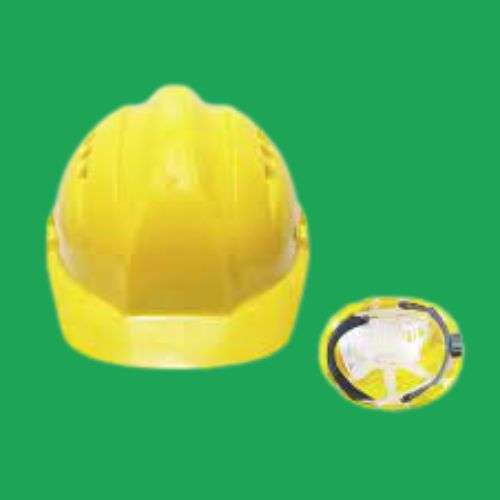
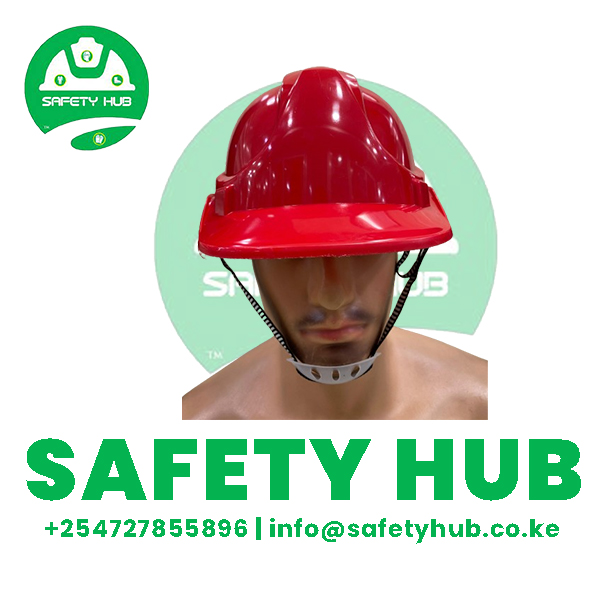
Safety Hub stocks multiple categories of KEBS-compliant, EN 397-certified helmets, each designed for specific work environments in Kenya:
1. ABS Safety Helmets
Acrylonitrile Butadiene Styrene (ABS) shells are the standard for general construction and industrial use. ABS is highly impact-resistant, lightweight (typically 320–430 g), and can withstand temperatures from -20°C to +50°C. ABS helmets meet EN 397 for both shock absorption and penetration. They are the most commonly required helmet on Kenyan construction sites.
2. Heavy-Duty Safety Helmets
For high-risk environments — mining, demolition, heavy industrial sites — reinforced helmets with EN 397 and optional LD (lateral deformation) markings are specified. These feature 6-point suspension systems and deeper shell profiles for superior coverage.
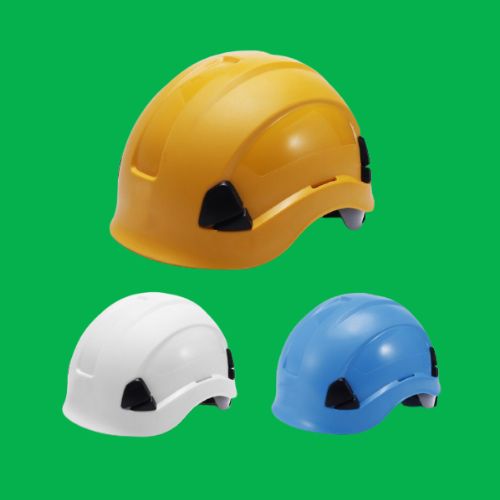
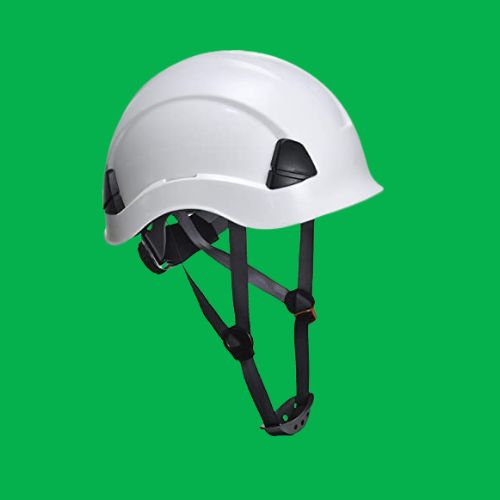
3. Work-at-Height Safety Helmets
When working at height, a standard EN 397 helmet is insufficient. Helmets for height work must additionally meet EN 12492 (mountaineering / work at height standard) which requires chin strap retention, multi-directional impact testing (not just crown), and penetration resistance across the entire shell. These are mandatory for workers on scaffolding, towers, and rope access.
4. Vaultex Safety Helmets
Vaultex is an internationally recognised brand with EN 397 certification and SASO approval (Gulf standards), making them popular for Kenyan companies with workers also operating in the Gulf region. Safety Hub stocks the full Vaultex range.
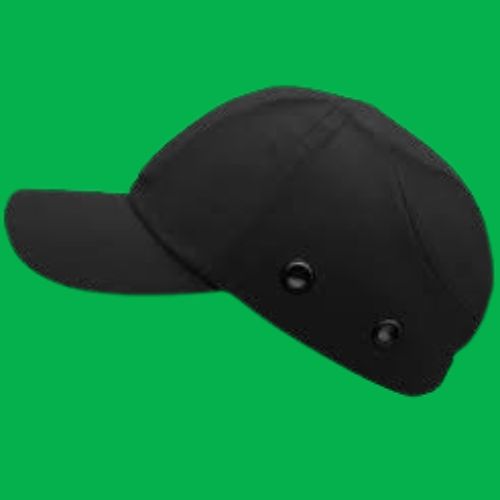
5. Bump Caps
Important: Bump caps are NOT safety helmets. They meet EN 812 (bump cap standard) which provides minor protection against knocking a stationary head against an obstruction — but they do not protect against falling objects. Do not use bump caps on construction sites or anywhere DOSHS requires a safety helmet. They are suitable only for food processing, logistics, and low-hazard environments with stationary overhead obstructions.
Certified Safety Helmets at Safety Hub Kenya
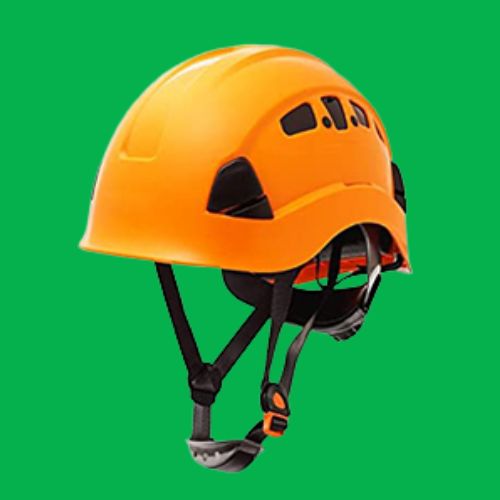
How to Choose the Right Certified Safety Helmet in Kenya
Follow this decision framework when procuring safety helmets for any Kenyan worksite:
Step 1: Identify the Hazard Environment
- Falling objects only (top of head): EN 397 Type 1 / ANSI Type I is minimum
- Falling objects + lateral impact risk: EN 397 Type 2 (2025+) or ANSI Type II — strongly recommended for all Kenyan construction sites
- Working at height (scaffolding, towers, rope access): EN 12492 certification required in addition to EN 397
- Electrical hazards present: EN 397 with 440V optional marking, or ANSI Class E
- Molten metal / foundry work: EN 397 with MM optional marking
Step 2: Verify the Interior Label
Before purchasing any batch of helmets, open one and read the interior label. Confirm: EN 397 (or ANSI Z89.1) is printed, the CE mark is present (EN helmets), the manufacturer is identifiable, and a manufacture date is shown.
Step 3: Check DOSHS/KEBS Compliance
For bulk procurement in Kenya — especially on government LPOs — request a KEBS Certificate of Compliance or an EN 397 test certificate from the supplier. Reputable suppliers like Safety Hub maintain these documents for all stocked helmet brands.
Step 4: Check the Replacement Date
Calculate the expected replacement date from the manufacture date on the label. In Kenya’s climate (high UV, heat), replace helmets every 3 years maximum from manufacture date, or immediately after any significant impact.
KEBS & DOSHS Helmet Compliance in Kenya — 2025 Rules
Kenya’s regulatory framework for safety helmets sits under two bodies:
DOSHS — Directorate of Occupational Safety and Health Services
DOSHS enforces the Occupational Safety and Health Act (OSHA Cap 514) and the Work Injury Benefits Act. Under OSHA, every employer in Kenya must provide PPE — including head protection — that is adequate for the risk. DOSHS inspectors can issue improvement notices, prohibition notices, or pursue prosecution for non-compliance. From 2025, inspectors specifically check that PPE bears internationally recognised certification marks.
KEBS — Kenya Bureau of Standards
KEBS sets the technical standards for products supplied in Kenya. For PPE, Kenya has adopted the KEBS KS 1847 standard (which aligns with EN ISO standards). As of January 15, 2025, all PPE supplied in Kenya must bear KEBS-certified marks or meet equivalent international benchmarks (EN 397, ANSI Z89.1, AS/NZS 1801). Supplying non-compliant PPE in Kenya is an offense under the Standards Act (Cap 496).
Safety Helmet Lifespan, Care, and Replacement
Certification only remains valid if the helmet is properly maintained and replaced on schedule. A 5-year-old certified helmet may offer less protection than a brand-new uncertified one — because UV degradation, heat cycling, and micro-cracking compromise the shell’s structural integrity invisibly.
Replacement Guidelines in Kenya’s Climate
- Shell replacement: Maximum 3 years from manufacture date in Kenya (high UV accelerates ABS and HDPE degradation)
- Suspension / harness replacement: Every 12 months, or sooner if any webbing shows fraying, cracking, or loss of elasticity
- After any significant impact: Replace immediately — even if no visible cracking, micro-fractures may have compromised the shell
- If paint, stickers, or chemicals were applied: Replace — solvents in paints and adhesives degrade ABS and HDPE shells
- If found with cracks, dents, or brittleness: Replace immediately — do not repair with tape or adhesive
Frequently Asked Questions About Certified Safety Helmets in Kenya
ANSI Z89.1 is the American National Standard for Industrial Head Protection. A helmet marked ANSI Z89.1 has passed four mandatory performance tests: impact attenuation (force transmission), penetration resistance, flammability, and electrical insulation. It is also classified by Type (I or II — indicating impact coverage) and Class (G, E, or C — indicating electrical protection level).
EN 397 is the European standard (CEN — European Committee for Standardization) for industrial safety helmets. A certified helmet must pass mandatory tests for shock absorption (max 5 kN transmitted force from a 49 J impact), penetration resistance, flame resistance (self-extinguish within 5 seconds), and chin strap anchorage. EN 397 helmets are CE-marked and widely accepted in Kenya, East Africa, and globally as KEBS-compliant equivalents.
Yes. In Kenya, DOSHS and KEBS require PPE — including safety helmets — to meet KEBS-certified marks or equivalent international benchmarks. EN 397 is explicitly accepted as an equivalent international standard under the 2025 KEBS compliance rules. ANSI Z89.1 is also accepted. Helmets carrying EN 397 certification are fully legal to supply and use on Kenyan worksites.
ANSI Type I helmets protect against impacts to the top (crown) of the head only. ANSI Type II helmets add protection against lateral impacts — blows to the front, sides, and rear of the head. For most construction and industrial work in Kenya, Type II (or the equivalent EN 397:2025 Type 2) is strongly recommended, as lateral falls and side impacts are among the most common causes of head injury on sites.
Check the permanently moulded or printed interior label — not the packaging. A genuine certified helmet shows: the standard name (EN 397 or ANSI Z89.1), the CE mark (for EN helmets), the manufacturer's name and details, the model/type, the year and quarter of manufacture, and the size range. If this information is on a removable sticker, or is missing, do not use the helmet.
Most manufacturers recommend replacing helmets every 2–5 years from the manufacture date. In Kenya's climate — with high UV radiation and elevated ambient temperatures — replace the shell every 3 years maximum. Replace the suspension harness every 12 months. Always replace immediately after any significant impact, even with no visible damage, as micro-fractures can compromise protection invisibly.
A safety helmet (EN 397 / ANSI Z89.1) protects against falling objects and significant impacts. A bump cap (EN 812) only protects against knocking a stationary head against a fixed overhead obstruction — it offers no meaningful protection against falling objects or significant impacts. Bump caps must never be used on construction sites or wherever DOSHS requires a safety helmet. Using a bump cap where a safety helmet is required is a legal violation under OSHA Kenya.
Safety Hub Enterprises stocks a full range of EN 397-certified, KEBS-compliant safety helmets in Nairobi — including ABS helmets, Vaultex helmets, heavy-duty helmets, welding helmets, and work-at-height helmets. Visit us at Junction Trade Centre, Accra Road, 7th Floor, Room 704, Nairobi. Call +254 111 056 220 or WhatsApp +254 727 855 896. We offer same-day delivery in Nairobi, LPO procurement, and bulk discount pricing from 10+ units.
Quick Reference Summary
- EN 397 = European industrial helmet standard. Mandatory tests: shock absorption (≤5 kN), penetration resistance, flame resistance, chin strap anchorage. Marked with CE + EN 397 on interior label.
- ANSI Z89.1 = American industrial helmet standard. Types I (crown) and II (crown + sides). Classes G (2,200V), E (20,000V), C (no electrical).
- KEBS Kenya (2025) = All PPE including helmets must bear KEBS marks or equivalent international benchmarks (EN 397 / ANSI Z89.1). Non-compliance: fines up to KSh 200,000.
- Verification = Check permanently moulded interior label. No label = do not use.
- Replacement = Maximum 3 years in Kenya climate, or immediately after any significant impact.
- Height work = Requires EN 12492 in addition to EN 397. A standard hard hat is not sufficient for scaffolding or rope access.