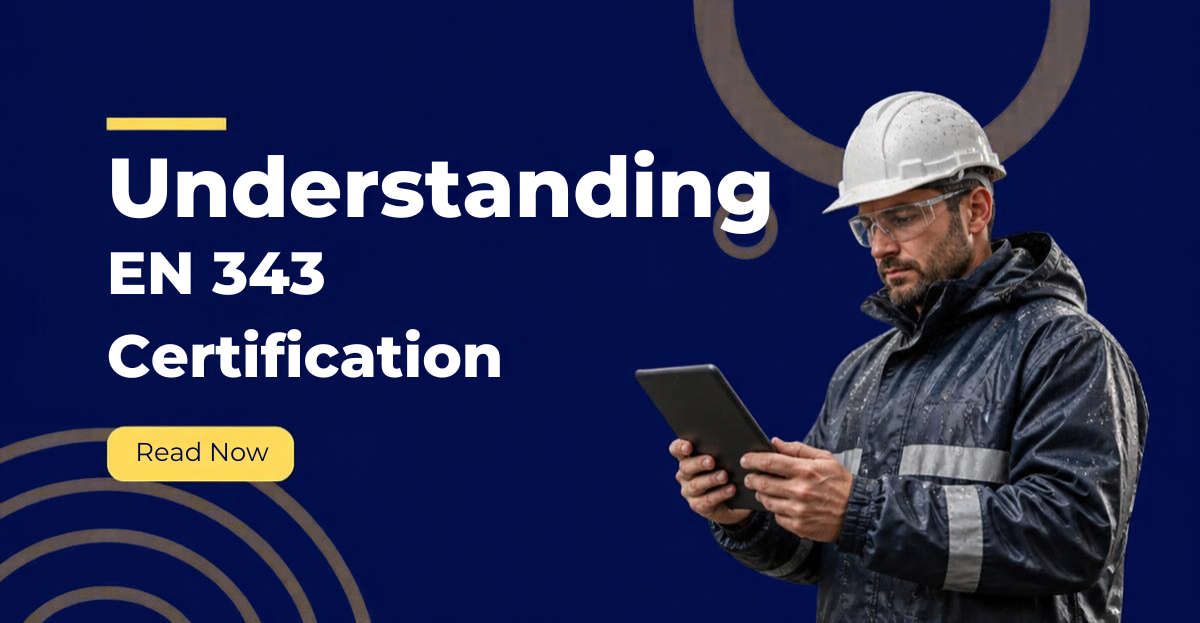
EN 343 is a European standard used to classify protective clothing designed to protect the wearer against rain, precipitation, fog, and related wet weather conditions. It is particularly relevant for workers who spend time outdoors, including construction workers, road crews, security personnel, agricultural workers, utility teams, and logistics staff.
When buying raincoats, waterproof jackets, rain trousers, or complete rainwear for workplace use, understanding EN 343 helps you compare the level of protection offered by different garments.
What Does EN 343 Mean?
EN 343 specifies requirements and test methods for clothing that protects against rain and adverse weather conditions.
A garment certified to EN 343 is normally assessed for properties such as:
- Waterproofness
- Water vapour resistance/breathability
- Performance of the garment after certain treatments
- Construction and materials that affect protection against wet weather
The standard is therefore about more than simply whether a jacket is described as “waterproof.”
Understanding the EN 343 Marking
You may see EN 343 markings displayed in a format similar to:
EN 343:2019
3 3 X
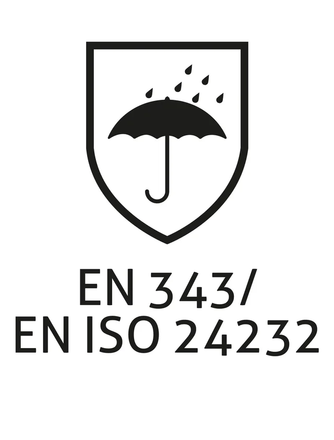
The numbers represent different performance characteristics.
1. Resistance to Water Penetration
The first number relates to the garment’s resistance to water penetration.
Higher classes indicate greater resistance to water penetration under the relevant EN 343 testing conditions.
For example:
EN 343 Class 3 provides a higher level of water penetration resistance than lower classes.
This is particularly important for workers who may be exposed to heavy or prolonged rain.
2. Resistance to Water Vapour
The second number relates to resistance to water vapour, which is associated with the garment’s breathability.
A lower resistance to water vapour generally means that moisture vapour from the body can pass through the garment more easily.
This matters because a completely waterproof garment can still become uncomfortable if it traps heat and perspiration inside.
Class 3 represents the highest breathability class within the EN 343 classification system.
3. Optional Rain-Tower Test
You may also see an X or another marking associated with an optional test.
This indicates whether the garment has been assessed under the applicable optional test conditions for water penetration from above.
It is important not to interpret the “X” simply as a performance grade. It indicates that the particular optional test was not performed or is not applicable, depending on the certification marking and documentation.
EN 343 vs. “Waterproof”
This distinction is important for businesses purchasing PPE.
A manufacturer calling a jacket waterproof does not, by itself, tell you what standardized testing the garment has undergone.
EN 343 gives purchasers a recognized framework for assessing rain-protective clothing.
For example, a company buying rainwear for outdoor workers can look beyond marketing terms and check the garment’s documented EN 343 classification.
Who Needs EN 343 Rainwear?
EN 343-certified clothing can be useful for workers exposed to wet weather, including:
- Construction workers
- Road construction and maintenance teams
- Security personnel
- Agricultural workers
- Delivery and logistics workers
- Surveyors
- Utility workers
- Waste-management workers
- Outdoor maintenance teams
- Forestry workers
- Emergency and support teams
The appropriate garment should depend on the duration of exposure, working conditions, physical activity and other workplace hazards.
EN 343 Raincoats and Workwear in Kenya
For Kenyan businesses, EN 343 can be particularly relevant when purchasing rainwear for employees who work outdoors during rainy seasons.
A suitable raincoat may be used for:
Construction: Workers can face rain while working on exposed sites.
Security: Guards working outdoors may need rain protection during long shifts.
Agriculture: Farm workers may be exposed to changing weather conditions.
Road works: Road crews often work outdoors regardless of weather.
Logistics: Drivers, loaders and delivery personnel may need protection while working outside vehicles.
However, EN 343 only addresses protection against weather conditions. It does not mean that a garment provides protection against every workplace hazard.
For example, a raincoat certified to EN 343 should not automatically be treated as chemical-resistant PPE, high-visibility PPE or heat-resistant protective clothing.
What Should You Check Before Buying?
When sourcing rainwear for a company, check more than the product title.
Check the certification
Look for the actual EN 343 marking and supporting documentation rather than relying only on the word “waterproof.”
Check the classification
Look at the water penetration and water vapour resistance classes.
Check the intended use
A raincoat for occasional light rain may not be appropriate for workers exposed to prolonged heavy rainfall.
Check garment construction
Pay attention to features such as:
- Hood design
- Waterproof closures
- Seams
- Cuffs
- Pockets
- Ventilation
- Adjustable features
- Overall coverage
Consider visibility
Workers operating near vehicles or roads may require high-visibility protective clothing in addition to rain protection. EN 343 alone does not provide high-visibility certification.
EN 343 and EN ISO 13688
You may also encounter EN ISO 13688, which covers general requirements for protective clothing.
EN 343 is focused specifically on protection against rain and adverse weather, while EN ISO 13688 establishes general requirements that can apply to protective clothing.
The two standards should not be confused.
Why EN 343 Matters When Buying PPE
For procurement teams, safety officers and employers, certification helps provide a more objective basis for comparing protective clothing.
Instead of asking only:
“Is this raincoat waterproof?”
you can ask:
“What is the garment’s EN 343 classification, and can you provide the relevant conformity documentation?”
That is a much more useful question when purchasing rainwear for employees.
Final takeaway
EN 343 is the key European standard to look for when evaluating protective clothing against rain and adverse weather. Its classification provides information about resistance to water penetration and water vapor resistance, helping employers select rainwear according to the conditions workers are expected to face.