
Everything new TVET, university, and college students need to know about personal protective equipment (PPE)—from safety boots to dust coats—before reporting to campus.
Why First-Year Students Suddenly Need PPE
If you’ve just been admitted to a polytechnic, technical training institute, university, or college, you’ve probably noticed something on your admission letter that wasn’t on your high school supply list: personal protective equipment (PPE).
Courses in engineering, health sciences, food technology, agriculture, and applied sciences all involve hands-on lab work, workshop sessions, or clinical placements from the very first semester. Institutions require PPE not as a formality, but because workshops, laboratories, and hospital wards carry real risks—sharp tools, chemicals, moving machinery, biological samples, and heat. PPE is the line between a safe learning environment and a preventable injury.
This guide breaks down exactly what you need, why it matters, and how to buy the right gear without overspending—organized by discipline so you can jump straight to your course.
The Core PPE Checklist (Most Students Need These)
Regardless of your specific course, most technical and science-based programs will ask for some combination of the following:
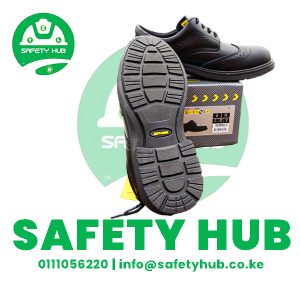
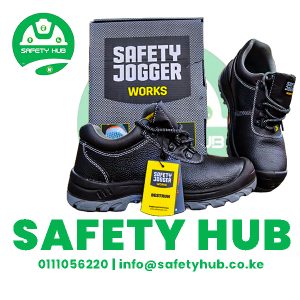
- Safety boots—steel-toe or composite-toe, slip-resistant sole
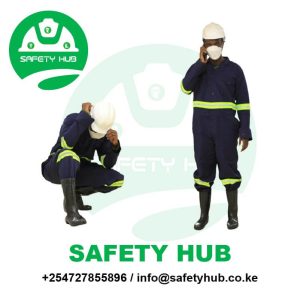
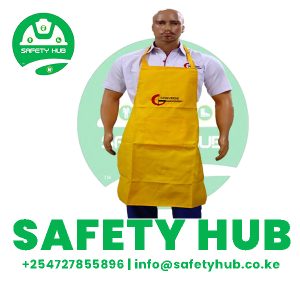
- Overalls / coveralls—durable workshop wear that protects clothing and skin
- Dust coats / lab coats—for laboratories, clinical rooms, and food-handling areas
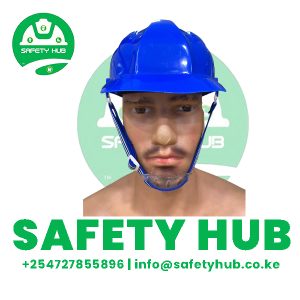
- Safety helmets — for construction, mechanical, and civil engineering workshops
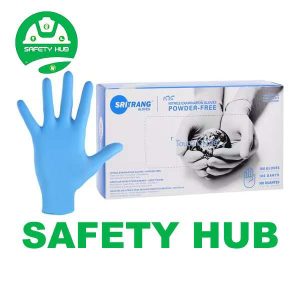
- Safety gloves — cut-resistant, chemical-resistant, or latex, depending on the task
- Safety goggles / glasses — for grinding, welding, chemical handling, and general lab work
- Ear protection — for workshops with heavy machinery or noise exposure
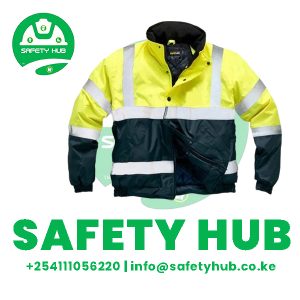
- Reflective vests—for construction, surveying, and outdoor site work
Not every student needs every item. What you actually buy depends heavily on your discipline—here’s the breakdown.
PPE by Discipline
Engineering Students (Mechanical, Electrical, Civil, Automotive)
Expect to need: safety boots (steel toe), overalls, safety helmet, safety goggles, gloves, and ear protection. Civil and construction-related courses often add reflective vests for site visits. Mechanical and automotive students should prioritize oil- and grease-resistant overalls.
Health Sciences Students (Nursing, Clinical Medicine, Lab Technology, Pharmacy)
Expect to need lab coats/dust coats, disposable and reusable gloves, safety goggles, and closed flat shoes (not steel-toe boots). Lab technology and microbiology students may also require face shields for practicals involving samples and reagents.
Food Technology, Catering, and Hospitality Students
Expect to need: dust coats or chef whites, hairnets, closed non-slip shoes, and gloves rated for food handling. Heat-resistant gloves are essential for baking and catering practicals.
Agriculture and Environmental Science Students
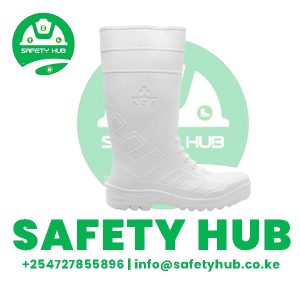
Expect to need: safety boots (often waterproof/rubber), overalls, gloves, and sometimes safety glasses for fieldwork involving chemicals, machinery, or livestock handling.
Applied Sciences and Chemistry Students
Expect to need: lab coats, safety goggles, gloves (nitrile or chemical-resistant), and closed shoes. Some institutions require fire-resistant lab coats for practicals involving flammable reagents.
How to Choose the Right PPE (Quality Actually Matters)
It’s tempting to buy the cheapest option to tick the box on your admission checklist, but PPE quality directly affects your safety and how often you’ll need to replace items.
- Safety boots: Check for a genuine steel or composite toe cap, oil-resistant sole, and proper ankle support. Cheap boots often have fake toe caps that offer no real protection.
- Overalls and dust coats: Look for reinforced stitching and fabric weight (cotton drill for workshops, polycotton for labs). Thin fabric tears within a semester.
- Gloves: Match the glove to the task — cut-resistant for metalwork, nitrile for chemicals, cotton for general handling. One pair rarely covers every need.
- Helmets and goggles: Confirm they meet recognized safety standards (look for CE or KEBS marking where applicable) rather than buying purely decorative versions.
- Fit: PPE that’s too loose (overalls, gloves) or too tight (boots) is both uncomfortable and less protective. Try before you buy where possible.
Budgeting for PPE as a New Student
PPE is a one-time or once-a-year cost for most students, and it’s worth planning for alongside tuition, accommodation, and books. A few tips:
- Buy only what your course outline or admission letter specifies — don’t over-purchase items you won’t use.
- Ask your department or continuing students which specific specs (boot type, coat color, helmet color) are required, since some institutions have exact branding or color-coding rules.
- Consider durability over price for boots and overalls, since these see the heaviest daily use and are the most expensive to replace mid-semester.
- Buy gloves and safety glasses in twos — these are the items most commonly lost or damaged first.
Frequently Asked Questions
Do all polytechnic and university students need PPE? No. PPE requirements apply mainly to students in courses with practical workshop, laboratory, or clinical components — engineering, health sciences, food technology, agriculture, and applied sciences. Purely theoretical courses (business, arts, humanities) typically don’t require it.
What’s the difference between a dust coat and an overall? A dust coat is a lightweight coat (usually knee-length) worn over regular clothes in labs, clinics, or food-handling settings to prevent contamination. An overall (or coverall) is heavier-duty workwear, often one-piece, designed for workshop and mechanical environments where clothing needs full protection from grease, sparks, or debris.
Can I use the same safety boots for engineering and construction courses? Generally yes, as long as the boots have a genuine steel or composite toe cap and an oil-resistant sole. However, always confirm against your institution’s specific PPE list, since some construction-focused programs also require ankle-high boots or specific tread patterns for site work.
How often will I need to replace my PPE? Boots, overalls, and helmets used daily in workshops typically last one to two academic years with proper care. Gloves, dust coats, and safety glasses tend to need replacing more often due to wear, tearing, or loss.
Where should I buy student PPE? Look for suppliers who stock PPE that meets recognized safety standards rather than purely low-cost imitations. Many students buy from workwear and safety equipment retailers near their institution, or from suppliers that offer student bulk-order pricing at the start of the academic year.
Final Checklist Before Reporting to Campus
- Confirm the exact PPE list from your admission letter or department
- Identify your discipline-specific requirements from the breakdown above
- Prioritize genuine safety-rated boots, helmets, and goggles over cheap lookalikes
- Buy correctly fitting gloves and overalls—try on where possible
- Keep a spare pair of gloves and safety glasses in your bag
- Budget for PPE alongside your other first-semester costs
Starting your technical, health sciences, or engineering journey means workshops, labs, and clinical placements from day one — and the right PPE is what lets you focus on learning instead of worrying about safety. Buy for your specific discipline, prioritize quality on the items you’ll use daily, and you’ll be fully equipped for a safe first semester.