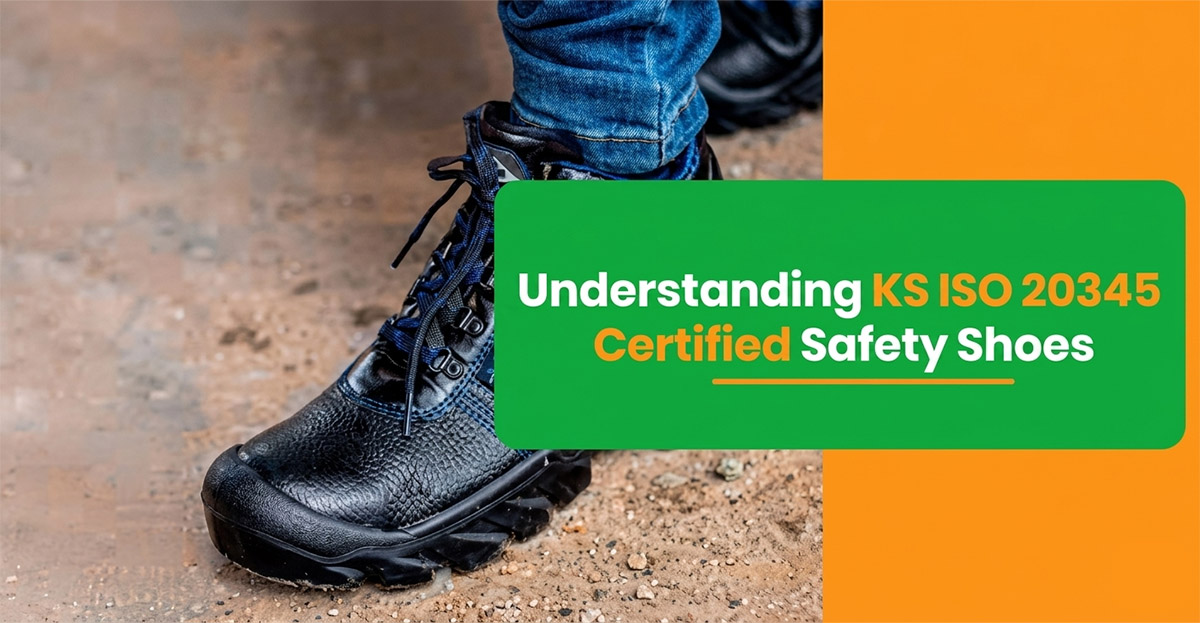
Workplace safety is a critical responsibility for employers and employees alike. While helmets, gloves, and reflective clothing often receive significant attention, foot protection is equally important. Every year, thousands of workplace injuries occur due to falling objects, sharp materials, slippery surfaces, and hazardous environments.
This is why KS ISO 20345-certified safety shoes have become the standard choice for businesses across Kenya. Whether you work in construction, manufacturing, engineering, logistics, warehousing, or mining, certified safety footwear provides the protection needed to minimize risks and maintain compliance with workplace safety regulations.
In this guide, we explain what KS ISO 20345 certification means, why it matters, and how to choose the right safety shoes for your work environment.
What Is KS ISO 20345?
KS ISO 20345 is a recognized safety standard that specifies the minimum requirements for protective footwear used in occupational environments. The standard ensures that safety shoes provide adequate protection against common workplace hazards.
Footwear certified under KS ISO 20345 undergoes extensive testing to verify its ability to protect workers from injuries caused by impact, compression, punctures, slips, and other workplace risks.
When purchasing safety footwear in Kenya, choosing products that comply with KS ISO 20345 standards gives employers confidence that workers are using reliable and tested protective equipment.
Why Is Certification Important?
Not all safety shoes offer the same level of protection. Some products may look durable but fail to meet established safety requirements.
Certified safety shoes provide assurance that they have been independently tested and proven capable of protecting workers in demanding environments.
Benefits of certified safety footwear include:
- Enhanced worker protection
- Reduced workplace accidents
- Compliance with occupational safety requirements
- Improved employee confidence
- Lower injury-related costs
- Increased workplace productivity
For employers, investing in certified footwear demonstrates a commitment to worker welfare and safety compliance.
Key Safety Features of KS ISO 20345 Certified Shoes
1. Impact Resistance
One of the primary requirements of KS ISO 20345 certification is protection against falling objects.
Certified safety shoes feature protective toe caps designed to withstand significant impact forces, helping prevent crushed toes and serious foot injuries.
2. Compression Resistance
Heavy equipment, machinery, and materials can place substantial pressure on workers’ feet.
Certified footwear is tested to ensure it can resist compression forces without compromising foot safety.
3. Slip Resistance
Slips and falls are among the most common workplace accidents.
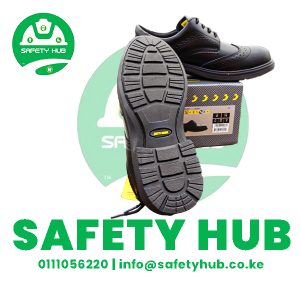
KS ISO 20345 certified shoes often include specially designed outsoles that improve grip on various surfaces, reducing the risk of slips in wet, oily, or uneven environments.
4. Puncture Protection
Construction sites and industrial facilities frequently contain sharp objects such as nails, metal scraps, and debris.
Many certified safety shoes include puncture-resistant midsoles that help prevent injuries from penetrating hazards.
5. Water Resistance
Outdoor workers often face wet conditions that can affect comfort and safety.
Certain certified safety footwear models offer water-resistant properties to keep feet dry and comfortable throughout the workday.
6. Energy Absorption
Long working hours can place significant strain on workers’ feet and joints.
Safety shoes with energy-absorbing heels help reduce fatigue and improve comfort during extended periods of standing and walking.
Understanding Safety Shoe Classifications
KS ISO 20345-certified footwear is often categorized according to specific protection levels.
Common classifications include:
SB – Basic Safety
Provides essential toe protection against impact and compression.
S1 – Indoor Work Environments
Includes:
- Protective toe cap
- Energy absorption in the heel
- Antistatic properties
- Fuel and oil resistance
S2 – Wet Work Environments
Includes all S1 features plus water-resistant uppers.
S3 – Construction and Heavy Industry
Includes all S2 features plus:
- Puncture-resistant midsoles
- Enhanced sole grip
- Suitable for demanding industrial applications
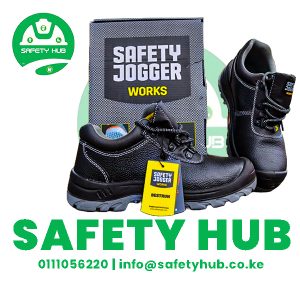
S3 safety boots are among the most popular choices for construction workers and industrial professionals in Kenya.
Industries That Require Certified Safety Footwear
Construction
Construction workers face constant risks from falling materials, sharp objects, and uneven surfaces. Certified safety boots provide crucial protection on building sites.
Manufacturing
Factory environments often involve machinery, forklifts, heavy equipment, and moving materials that increase the risk of foot injuries.
Warehousing and Logistics
Warehouse staff benefits from footwear that protects while maintaining comfort during long shifts.
Engineering
Engineers working on projects, inspections, and industrial sites require reliable foot protection to safely perform their duties.
Mining and Quarrying
Mining environments demand heavy-duty safety footwear capable of protecting against extreme workplace hazards.
How to Identify Genuine Certified Safety Shoes
When purchasing safety footwear, always look for:
- Certification markings
- Product specifications
- Manufacturer safety information
- Reputable suppliers
- Compliance documentation where applicable
Avoid purchasing footwear solely based on appearance or price. Genuine certified products provide tested protection that can make a significant difference in preventing workplace injuries.
Choosing the Right Safety Shoes for Your Workplace
Before purchasing safety footwear, consider:
Workplace Hazards
Identify the risks present in your environment, including impact, puncture, chemical exposure, and slip hazards.
Comfort
Workers are more likely to wear PPE consistently when it is comfortable and properly fitted.
Durability
Quality safety shoes offer longer service life and better value over time.
Certification
Always prioritize KS ISO 20345-certified safety footwear for dependable protection.
Supplier Reliability
Choose trusted PPE suppliers that provide genuine products, professional advice, and after-sales support.
Why Kenyan Businesses Prefer Certified Safety Shoes
Organizations across Kenya increasingly prioritize workplace safety as regulations become stricter and awareness grows.
Certified safety footwear helps businesses:
- Protect employees
- Improve safety compliance
- Reduce workplace accidents
- Minimize operational disruptions
- Enhance productivity
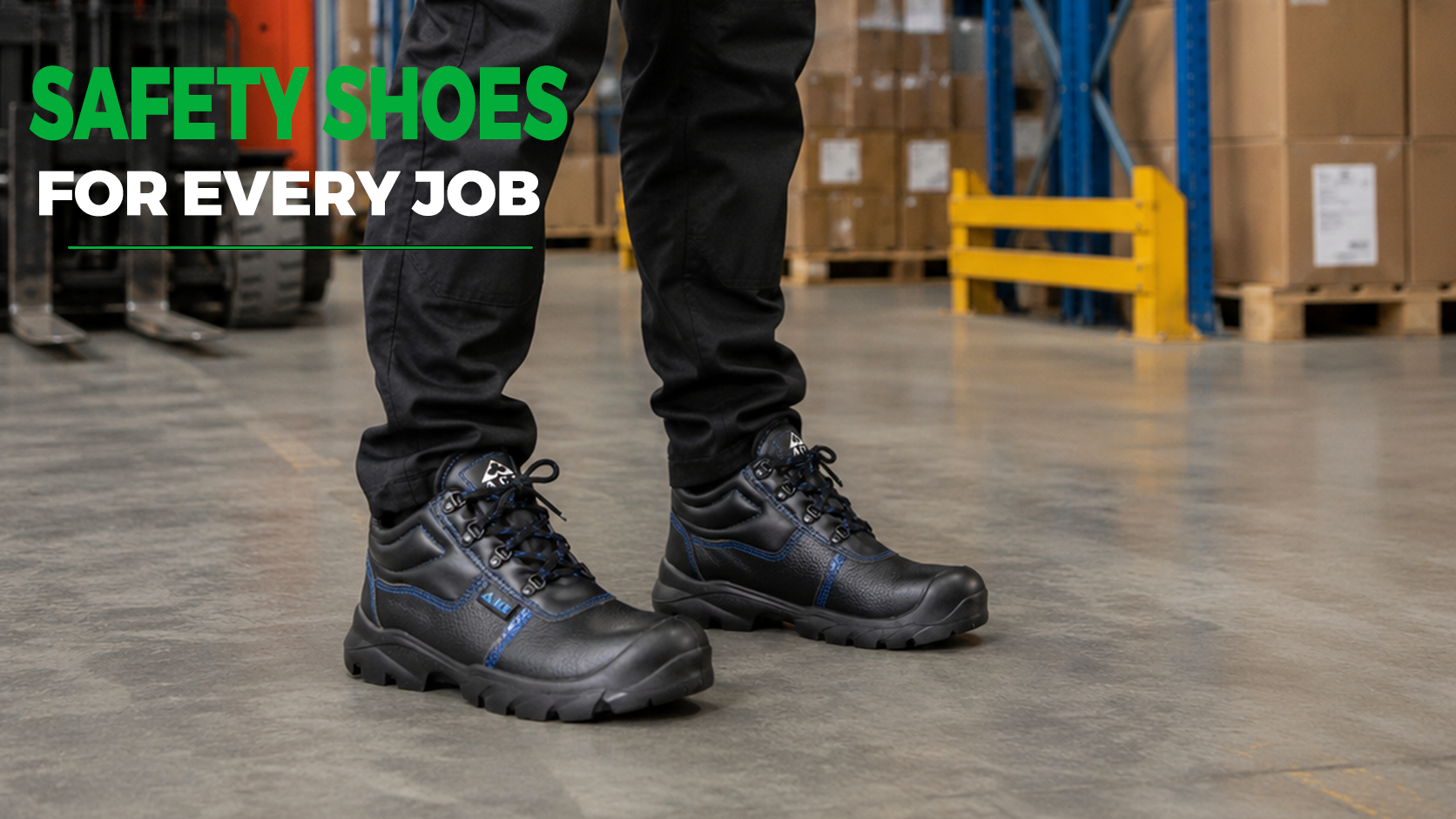
As workplace safety standards continue to evolve, certified safety shoes remain one of the most important investments any business can make.
More Safety Updates
- Best PPE Manufacturer and Supplier in Kenya
- Importance of safety shoes in every workplace
Conclusion On KS ISO 20345 Certified Safety Shoes
KS ISO 20345-certified safety shoes are more than just workplace footwear—they are a critical component of personal protective equipment. They help protect workers from common occupational hazards while supporting compliance with workplace safety requirements.
Whether you work in construction, manufacturing, logistics, engineering, or mining, investing in certified safety footwear provides peace of mind, improved comfort, and long-term protection.
Choosing quality safety shoes today can prevent costly injuries tomorrow, making them an essential investment for every safety-conscious organization in Kenya.